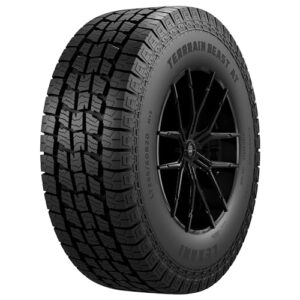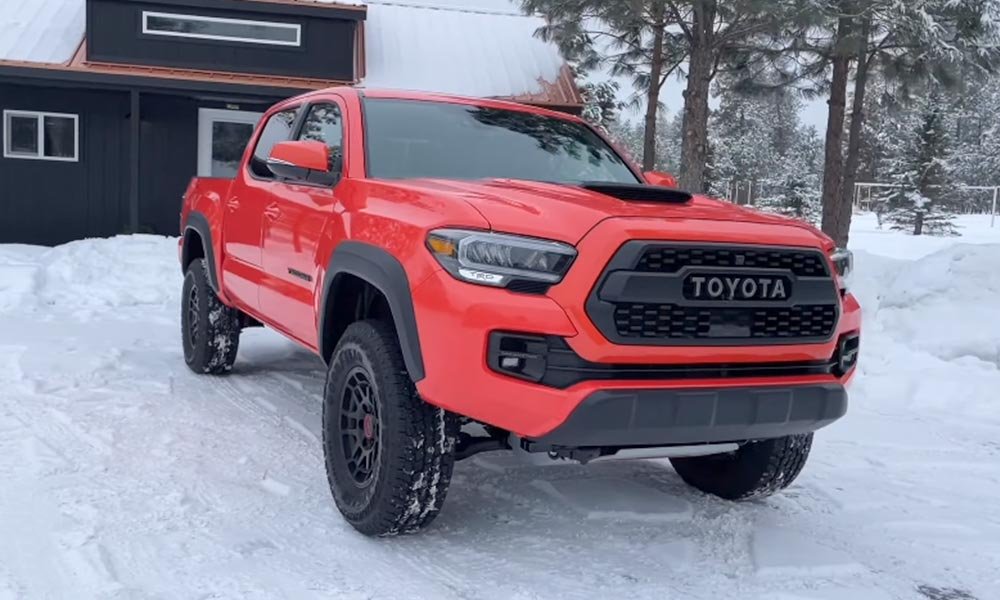
The Toyota Tacoma has a massive following — and a tire selection problem. With so many trims running different wheel sizes, plus the fact that Tacoma owners range from daily commuters to hardcore overlanders, there’s no one-size-fits-all answer. This guide breaks it down by how you actually use your truck, with specific recommendations for each tire size the Tacoma runs.
Toyota Tacoma Tire Sizes by Generation and Trim
Getting the right size is step one, and Toyota has used quite a few different setups over the years. Here’s what you need to know:
| Generation | Years | Tire Sizes by Trim |
|---|---|---|
| 4th Gen | 2024–2025 | 245/70R17 (SR, SR5) · 265/70R17 (TRD Off-Road) · 265/65R18 (TRD Sport, Limited) · 265/70R18 (TRD Pro, Trailhunter) |
| 3rd Gen | 2016–2023 | 245/75R16 (SR) · 265/65R17 (SR5, TRD Off-Road) · 265/60R18 (TRD Sport, Limited) · 265/70R16 (TRD Pro) |
| 2nd Gen | 2005–2015 | 215/70R15 (base 2WD) · 245/75R16 (4WD, PreRunner) · 265/65R17 (TRD) |
The 4th generation (2024+) is a significant redesign. Toyota increased wheel sizes across the board — the SR and SR5 now start at 17-inch wheels instead of 16. The TRD Pro and Trailhunter come with Goodyear Wrangler Territory R/T tires from the factory in 265/70R18, which gives the truck a 32.6-inch overall diameter.
Always verify your exact size on the door jamb sticker. Within the same generation, different option packages can change the tire size.
Best All-Terrain Tires for the Tacoma
All-terrain tires are the most popular choice for Tacoma owners, and it’s not hard to see why. They give you enough off-road bite for trail weekends without making your daily commute miserable. Here are the top picks based on owner feedback, independent testing, and real-world durability data.
1. BFGoodrich All-Terrain T/A KO3
The KO3 is the successor to the legendary KO2, and it addresses the main complaint KO2 owners had — snow traction. BFGoodrich redesigned the tread blocks with more sipes and refined the compound to maintain grip in freezing temperatures. In controlled snow testing (265/70R17 size, -7°C to -13°C conditions), the KO3 posted some of the fastest lap times among all-terrain tires.
The KO3 retains what made the KO2 the default Tacoma tire: tough sidewalls that resist punctures on rocky terrain, a long tread life (forum reports of 60,000+ miles on KO2s are common, and the KO3 is expected to match or exceed that), and a look that genuinely transforms the Tacoma’s stance. The trade-off is weight — in Load Range E, these are heavy tires that will cost you 1-2 MPG compared to a P-metric all-season.
Available in: 245/75R16, 265/65R17, 265/70R17, 265/60R18, 265/70R18
Load range: SL and E options
3PMSF rated: Yes
Warranty: 50,000 miles
Price range: $210–$280 per tire depending on size and load range
2. Falken Wildpeak A/T4W
The Wildpeak series has become the Tacoma community’s go-to alternative to BFGoodrich, and the A/T4W (successor to the A/T3W) earns that reputation. In independent winter testing, the Falken consistently ranks at or near the top for snow and ice performance among all-terrain tires. Tacoma forum users in Alaska and the northern states particularly favor this tire.
One thing to be aware of: the Wildpeak is a heavy tire. In some sizes it actually weighs more than the KO3, which affects fuel economy and braking distances. Some Tacoma owners have also reported balancing issues that required road-force balancing instead of a standard spin balance. That said, if winter capability is your priority and you want an all-terrain rather than a dedicated snow tire, the A/T4W is hard to beat.
Available in: 245/75R16, 265/65R17, 265/70R17, 265/60R18, 265/70R18
Load range: SL and E options
3PMSF rated: Yes
Warranty: 55,000 miles
Price range: $175–$250 per tire
3. Toyo Open Country A/T III
The Open Country A/T III strikes a different balance than the BFG or Falken. It’s lighter weight, runs quieter on the highway, and still delivers solid off-road traction. For Tacoma owners who split their time 70/30 between highway and trail, the Toyo is arguably the better daily driver of the three.
The lighter construction translates to measurably better fuel economy — expect about 1 MPG more than a comparable KO3 in Load Range E. The AT III also carries the 3PMSF symbol for winter traction. The trade-off is sidewall durability; the Toyo doesn’t have the aggressive sidewall lugs of the KO3, so it’s more vulnerable to punctures on sharp rock crawling.
Available in: 245/75R16, 265/65R17, 265/70R17, 265/60R18, 265/70R18
Load range: SL and E options
3PMSF rated: Yes
Warranty: 65,000 miles
Price range: $190–$260 per tire
4. Cooper Discoverer AT3 4S
Cooper (now owned by Goodyear) offers the AT3 4S as a lighter, quieter all-terrain option that doesn’t sacrifice winter traction. Multiple Tacoma forum members who switched from Falken Wildpeaks to the Cooper report less road noise, no shimmy issues, and better fuel economy — with comparable snow performance.
The AT3 4S is also one of the most affordable all-terrain tires that carries the 3PMSF certification. If you want the aggressive look and off-road capability of an A/T tire without paying KO3 prices, this is the value pick. It’s not as durable as the KO3 in extreme rock crawling conditions, but for most Tacoma trail use it’s more than adequate.
Available in: 245/75R16, 265/65R17, 265/70R17, 265/60R18
Load range: SL and E options
3PMSF rated: Yes
Warranty: 65,000 miles
Price range: $150–$200 per tire
Best Highway/All-Season Tires for the Tacoma
Not every Tacoma sees dirt roads. If your truck is primarily a commuter and tow rig, all-terrain tires are overkill — they’re heavier, noisier, and wear faster on pavement. Here are better options for on-road use.
Michelin Defender LTX M/S 2
The Defender LTX is the gold standard for light truck all-season tires. It delivers exceptional ride comfort, extremely long tread life (70,000-mile warranty, with real-world reports of 60,000+), and strong wet traction. For Tacoma owners who drive highway miles and want a quiet, comfortable ride with maximum tire life, this is the move.
The only downside is the price — Michelin charges a premium. But on a per-mile basis, the Defender LTX actually costs less than many cheaper tires because it lasts so much longer. Costco frequently runs $150 off a set of four Michelins, which brings the per-tire cost to a much more reasonable range.
Available in: 245/75R16, 265/65R17, 265/70R17, 265/60R18
UTQG: 820 A A
Warranty: 70,000 miles
Price range: $195–$250 per tire
General Grabber HTS 60
For budget-conscious Tacoma owners who primarily drive on pavement, the Grabber HTS 60 provides a comfortable highway ride at roughly half the price of the Michelin. General is owned by Continental and uses shared compound technology, so you’re getting solid engineering at a lower price point. The HTS 60 handles rain well and runs quiet, though tread life won’t match the Michelin.
Available in: 245/75R16, 265/65R17, 265/70R17
UTQG: 640 A B
Warranty: 65,000 miles
Price range: $130–$170 per tire
Load Range E vs. SL: Which Do You Need?
This is one of the most common mistakes Tacoma owners make when buying tires, and it can significantly affect your driving experience.
Load Range E (10-ply rated) tires are designed for heavy hauling and towing. They have stiffer sidewalls, carry more weight, and resist punctures better. But they also ride noticeably harsher, weigh 8-12 pounds more per tire, and reduce fuel economy. Multiple 4th-gen Tacoma owners on forums report that switching from SL to E-rated tires made the truck feel “too stiff” — the Tacoma’s suspension is already firm from the factory.
Standard Load (SL) tires are the right choice for most Tacoma owners who aren’t regularly towing near the truck’s max capacity (6,400-6,800 lbs depending on configuration). They provide a more comfortable ride, better braking performance (less unsprung weight), and better fuel economy.
Bottom line: unless you tow heavy loads regularly or do serious rock crawling where sidewall punctures are a real risk, SL-rated tires will make your Tacoma a better daily driver.
Biggest Tires You Can Fit Without a Lift
One of the most common Tacoma questions. Here’s what actually fits without rubbing:
Stock suspension (4th gen): Up to 265/70R17 (32.6 inches) on stock wheels fits without modification on TRD Off-Road and TRD Pro trims. The SR5 on 17-inch wheels can typically run 265/70R17 as well, though minor trimming of the front mud flap may be needed at full lock.
With a 2-inch leveling kit: You can comfortably run 275/70R17 (32.2 inches) or 285/70R17 (32.7 inches) with the right wheel offset. Wider tires beyond 275mm on stock wheels may require spacers or aftermarket wheels with less offset to clear the upper control arms.
With a 3-inch lift: Toyota’s own TRD lift kit opens up 33-inch tire options (285/70R17). However, multiple Tacoma owners report that 3-inch lifts can cause CV axle wear, alignment issues, and a vague steering feel due to the aggressive suspension geometry changes. Many experienced Tacoma builders recommend staying at 2 inches or less unless you’re prepared for additional drivetrain modifications.
Tacoma Tire Rotation and Maintenance
Toyota recommends rotating Tacoma tires every 5,000 miles, which aligns with the oil change interval on the 4th-gen’s 2.4L turbocharged engine. For 4WD models, even rotation wear is especially important because mismatched tread depths can strain the transfer case and rear differential.
The recommended tire pressure for the 4th-gen Tacoma varies by trim: SR and SR5 models with 245/70R17 tires typically call for 30 PSI front and rear, while TRD trims with larger tires run 33-36 PSI. Always defer to the sticker on your door jamb rather than what’s printed on the tire sidewall.
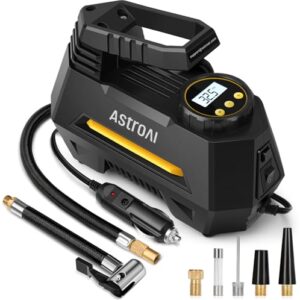
For off-road use, airing down to 18-22 PSI significantly improves traction on sand, rock, and loose trail surfaces. Carry a portable air compressor to reinflate before returning to pavement — driving on the highway with aired-down tires generates excessive heat and can cause blowouts.
Frequently Asked Questions
What tires come stock on the 2024-2025 Toyota Tacoma?
It depends on the trim. The SR and SR5 come with all-season tires (245/70R17), the TRD Sport and Limited get 265/65R18 all-seasons, the TRD Off-Road gets 265/70R17 all-terrain tires, and the TRD Pro and Trailhunter come with Goodyear Wrangler Territory R/T tires (265/70R18).
Are BFGoodrich KO3s worth the price for a Tacoma?
If you go off-road regularly and need sidewall durability, yes. For primarily highway use, the KO3s are heavier and noisier than necessary — a Michelin Defender LTX or Toyo AT III would serve you better and save money on fuel over the life of the tires.
Should I get Load Range E tires for my Tacoma?
Only if you tow heavy loads frequently or do rock crawling where sidewall punctures are a concern. For daily driving and light trail use, Standard Load (SL) tires ride more comfortably, brake shorter, and deliver better fuel economy. Several 4th-gen Tacoma owners have returned E-rated tires within the trial period because the ride was too harsh.
How many miles do Tacoma tires last?
OEM all-season tires typically last 40,000-50,000 miles. All-terrain tires vary widely: BFGoodrich KO2/KO3 owners report 50,000-65,000 miles, while softer-compound tires like the Goodyear Wrangler Territory may only last 30,000-40,000 miles. Regular rotation every 5,000 miles is critical for even wear.
Can I put 33-inch tires on a stock Tacoma?
Not without modifications. 33-inch tires (roughly 285/70R17) require at minimum a 2-inch leveling kit, and may need fender trimming and aftermarket wheels with different offset. Running 33s on a completely stock Tacoma will cause rubbing at full steering lock and over bumps.