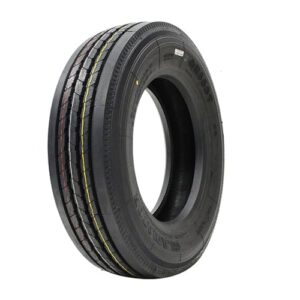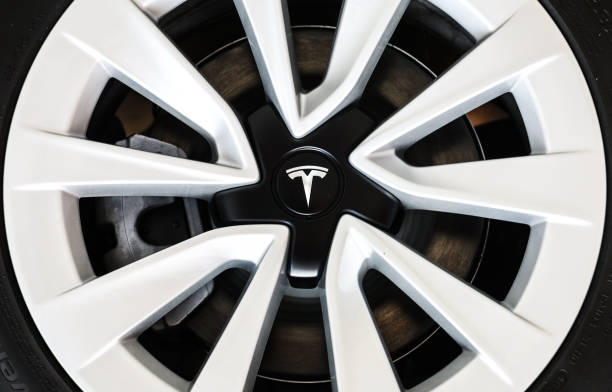
Tesla Model 3 tires are a different game than traditional sedan tires. The car is heavier than it looks (3,862-4,048 lbs depending on variant), delivers instant torque that chews through soft-compound tires, and has no engine noise to mask road sounds. Choosing the wrong tire can cut your range by 10-15%, amplify cabin noise, or wear out in under 20,000 miles. Here’s what actually works.
Model 3 Tire Sizes by Variant
| Model 3 Variant | Years | Tire Size |
|---|---|---|
| Highland (refresh) | 2024–2025 | 235/45R18 (Standard) · 235/40R19 (Long Range, Performance) |
| Pre-Highland RWD | 2017–2023 | 235/45R18 (Aero wheels) · 235/40R19 (Sport wheels) |
| Pre-Highland Performance | 2020–2023 | 235/35R20 (Uberturbine wheels) · 235/40R19 (optional) |
Two critical notes for Model 3 owners: Tesla specifies tires with a specific load index (usually 96-98) to handle the car’s battery weight. Don’t drop below the OEM load index when choosing replacements. Also, many Model 3 tires include acoustic foam inside the tire to reduce cabin noise — labeled with a ContiSilent, Michelin Acoustic, or Pirelli PNCS marking. These foam-lined tires make a meaningful difference in perceived noise because there’s no engine sound to mask road noise.
Top All-Season Tires for Model 3
1. Michelin Pilot Sport All Season 4 EV
Michelin specifically developed this tire for EVs, and it shows. The compound is optimized for the Model 3’s weight and torque characteristics — it resists the tread squirm that causes premature wear on softer all-season compounds. Michelin’s Acoustic Technology foam liner reduces road noise by 20% according to their internal testing, which is audible in the silent Model 3 cabin.
Range impact is minimal — the low rolling resistance compound preserves battery range within 2-3% of Tesla’s EPA estimate. Wet grip is exceptional (A-grade traction rating), and the handling is sharp enough that Performance owners won’t feel like they’ve downgraded. It’s the most expensive option, but for a $40,000+ car, it makes sense.
Available in: 235/45R18, 235/40R19
Acoustic foam: Yes
Load index: 98Y
Warranty: 50,000 miles
Price range: $210–$270 per tire
2. Continental ProContact RX
Continental’s ProContact RX is an OEM tire on many Model 3 trims, and the aftermarket version with ContiSilent foam is the direct replacement. It prioritizes ride comfort and low noise — two things Model 3 owners notice immediately because there’s no engine drone to drown them out.
Tread life is good (the 500 UTQG treadwear rating translates to roughly 40,000-50,000 miles for most Model 3 drivers), and rolling resistance is tuned for EV range preservation. It’s not as sporty as the Michelin in hard cornering, but for the majority of Model 3 owners who prioritize comfort and range, it’s the smarter buy at a lower price point.
Available in: 235/45R18, 235/40R19, 235/35R20
Acoustic foam: Yes (ContiSilent)
Load index: 98V/98W
Warranty: 40,000 miles
Price range: $175–$230 per tire
3. Hankook iON evo AS
Hankook’s EV-specific tire line launched recently and the iON evo AS is purpose-built for high-torque electric vehicles. It uses a high-stiffness compound that resists the chunking and feathering that plagues softer tires under heavy EV torque. Real-world Model 3 owners report 35,000-45,000 mile tread life, which is above average for this platform.
The iON evo doesn’t include acoustic foam, so noise levels will be slightly higher than the Michelin or Continental. But Hankook priced it aggressively — typically $40-60 less per tire than the Michelin PS AS 4 EV. For budget-conscious Model 3 owners who don’t mind slightly more road noise, it’s excellent value.
Available in: 235/45R18, 235/40R19
Acoustic foam: No
Load index: 98W
Warranty: 50,000 miles
Price range: $155–$200 per tire
Why Model 3 Tires Wear Faster Than You’d Expect
New Model 3 owners are consistently surprised by how fast their tires wear. It’s not uncommon to see OEM tires done at 20,000-25,000 miles. Three factors drive this:
Weight: The Model 3 weighs 3,862-4,048 lbs — 500-800 lbs more than a comparable BMW 3 Series or Honda Accord. More weight pressing on the contact patch means faster rubber wear. This is the biggest factor and it’s unavoidable.
Instant torque: Electric motors deliver peak torque from zero RPM. Every hard launch from a traffic light puts massive shear force on the tread. If you enjoy the Model 3’s acceleration (and who doesn’t), budget for faster tire wear. Driving in “Chill” mode measurably extends tire life.
Regenerative braking: Regen puts wear on the rear tires in a way that conventional braking doesn’t. Over time, this causes the rears to wear faster than the fronts — the opposite of most front-wheel-drive cars. Regular rotation every 5,000 miles is critical to even this out.
EV Range Impact: How Tires Affect Your Miles
Tire choice on an EV is a bigger deal than on a gas car because rolling resistance directly reduces range. In testing across various Model 3 tire options, the range impact can be as high as 10-15% between the best and worst options. Low-rolling-resistance tires like the Michelin EV-specific models preserve range within 2-3% of EPA estimates, while aggressive performance tires (like Pilot Sport 4S) can cut 20-30 miles off your total range.
For Model 3 owners who regularly drive long distances or rely on charging infrastructure, choose tires with an EV-specific compound. The energy savings over 40,000 miles of driving are significant enough to offset the premium price.
Winter Tires for the Model 3
The Model 3 performs surprisingly well in winter conditions thanks to its low center of gravity and precise traction control. But the OEM all-season tires lose grip rapidly below 40°F. Dedicated winter tires transform the car’s cold-weather capability.
The Michelin X-Ice Snow in 235/45R18 is the top choice — it preserves range better than most winter tires and lasts multiple seasons. The Continental VikingContact 7 is the alternative, with slightly better ice grip but slightly higher rolling resistance. Both are available with acoustic foam options for the Model 3.
Many Model 3 owners buy a set of 18-inch Aero wheels specifically for winter use — the smaller, lighter wheel reduces unsprung weight and the taller sidewall improves ride quality over winter potholes.
Frequently Asked Questions
How long do Tesla Model 3 tires last?
OEM tires typically last 20,000-30,000 miles due to the car’s weight and torque. Aftermarket EV-specific tires like the Michelin PS AS 4 EV or Hankook iON evo can reach 40,000-50,000 miles with regular rotation. Aggressive driving and frequent hard launches significantly reduce tire life.
Do I need special tires for the Model 3?
You need tires rated for the car’s weight (load index 96-98 minimum) and ideally designed for EVs. EV-specific tires have harder compounds to resist torque-driven wear and lower rolling resistance to preserve range. Standard passenger car tires will wear out prematurely.
Are acoustic foam tires worth the extra cost?
Yes, for most Model 3 owners. Without engine noise, road noise is the dominant sound in the cabin. Foam-lined tires (Michelin Acoustic, Continental ContiSilent) reduce perceived road noise by roughly 20%. The price premium is typically $15-25 per tire — worth it for daily comfort.
Can I rotate Model 3 tires front-to-back?
On RWD and AWD models with the same size tires on all four wheels (18-inch setup), yes — rotate front to rear. Performance models with staggered setups (different front/rear sizes) cannot be rotated. Tesla recommends rotation every 6,250 miles or when the difference between front and rear tread depth reaches 2/32″.
How do tires affect Model 3 range?
Significantly. Low-rolling-resistance EV-specific tires maintain range within 2-3% of EPA estimates. Standard performance tires can reduce range by 10-15%. Over 40,000 miles, the energy cost difference between tire types can exceed $200 in electricity, partially offsetting the premium of EV-optimized tires.